How Software Actually Works

~120 pages · No code · No math · Just clear thinking

Engineering literacy for vibecoders

You can build software with AI.

This book helps you understand what you actually built — and talk about it with confidence.

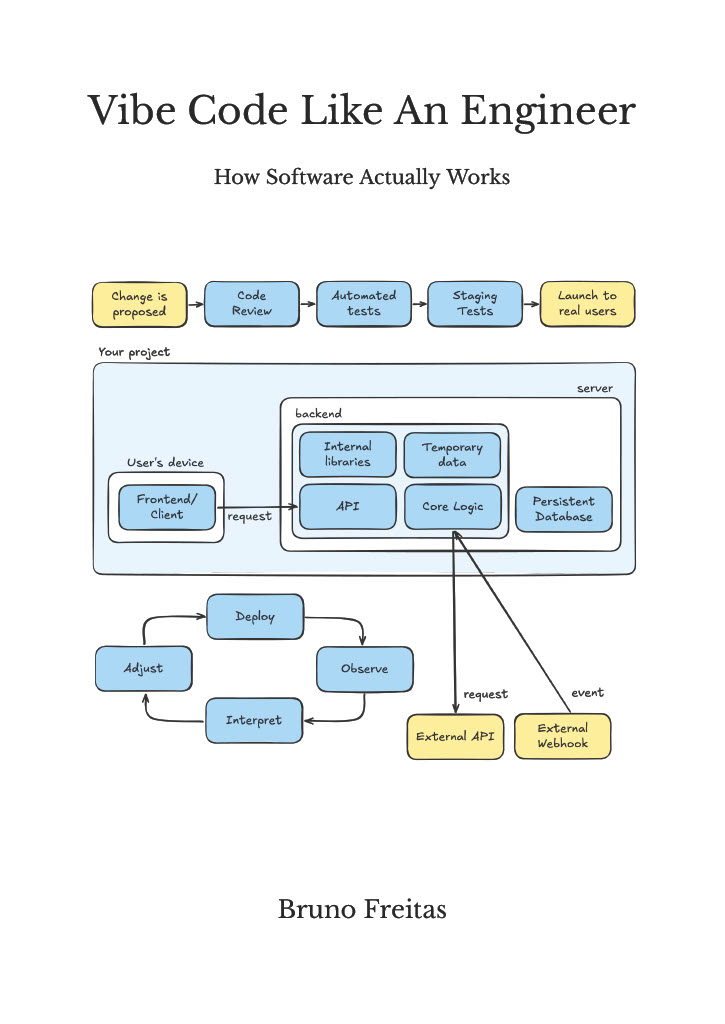
Beyond Vibecoding Book Cover

Written by a software engineer with experience building with AI both in startups and big tech

Who is this book for?

This book is for non-technical people who started building software with AI and want to stay in control of what they're creating.

It's for you if:

  • you rely on AI-generated code to ship real products
  • things work, but you don't fully understand why
  • changing one part often breaks another
  • technical conversations feel one-sided or uncomfortable
  • you want clarity without becoming a software engineer

It's not for:

  • Those who want to learn programming from scratch
  • Already experienced software engineers

What this book helps you do

Build engineering literacy to work confidently with AI-generated systems.

understand the structure and behavior of AI-written systems

recognize fragile or risky decisions early

reason about changes instead of trial-and-error

follow and contribute to technical discussions

ask better questions — and spot weak answers

This is about engineering literacy, not implementation depth.

What this book is not

This is not a programming tutorial or technical reference.

a programming course
a step-by-step tutorial
a prompt or tooling guide
formal computer science

You won't learn how to code.

You'll learn how to think about and evaluate software.

What's inside

Six focused chapters on building engineering literacy in the age of AI.

01

Why vibecoding works — and where it breaks

Why AI makes it easy to get software working — and why "it works" is not the same as "it's safe." Introduces the hidden risks of shipping fast without understanding structure, ownership, and failure modes.

02

The mental map of modern software

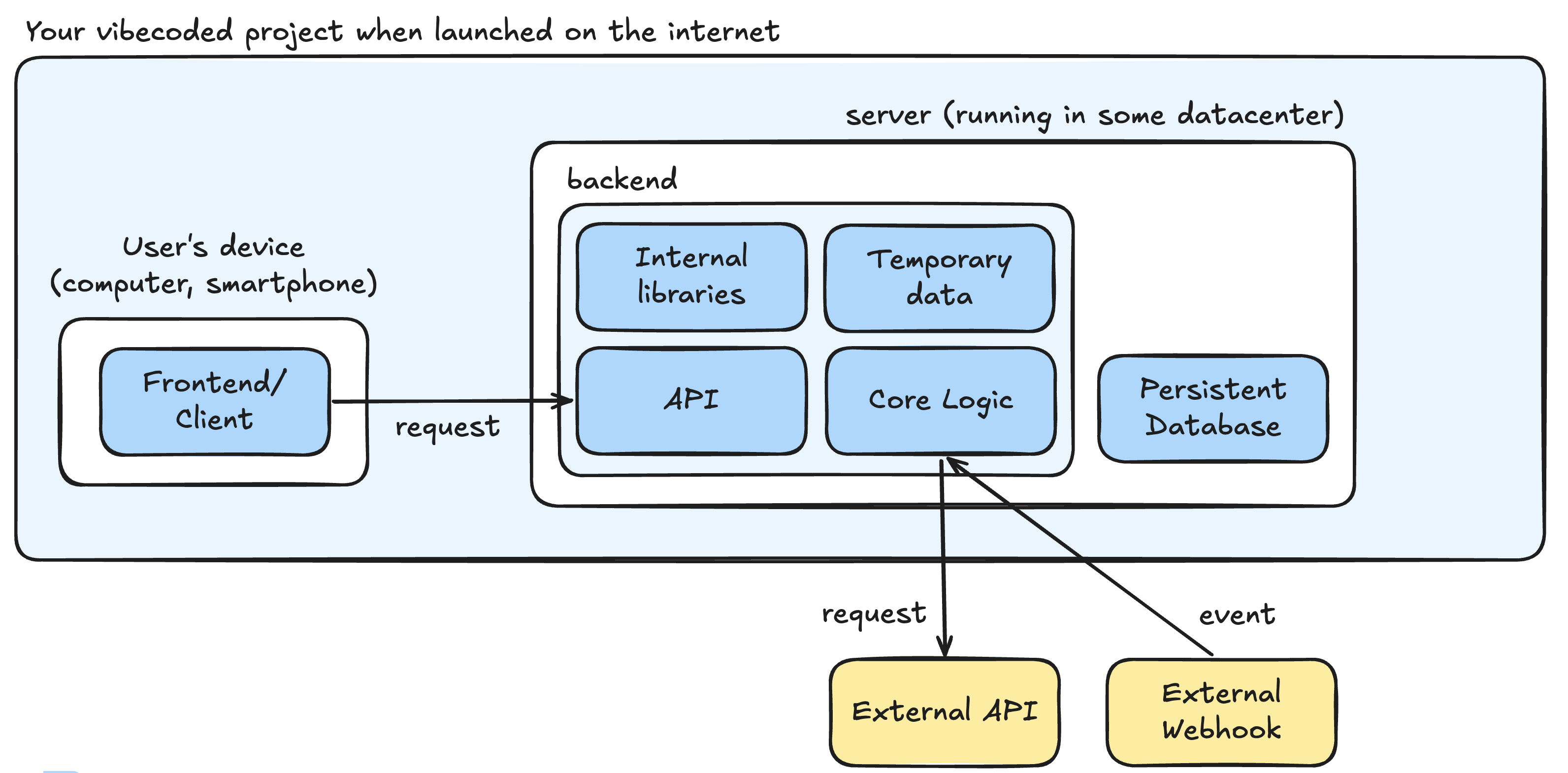
A practical overview of how software is usually structured. Front-end vs back-end, APIs, databases, services, environments, and where code actually runs.

This chapter exists so the reader stops feeling lost in technical conversations.

03

How software systems actually fail

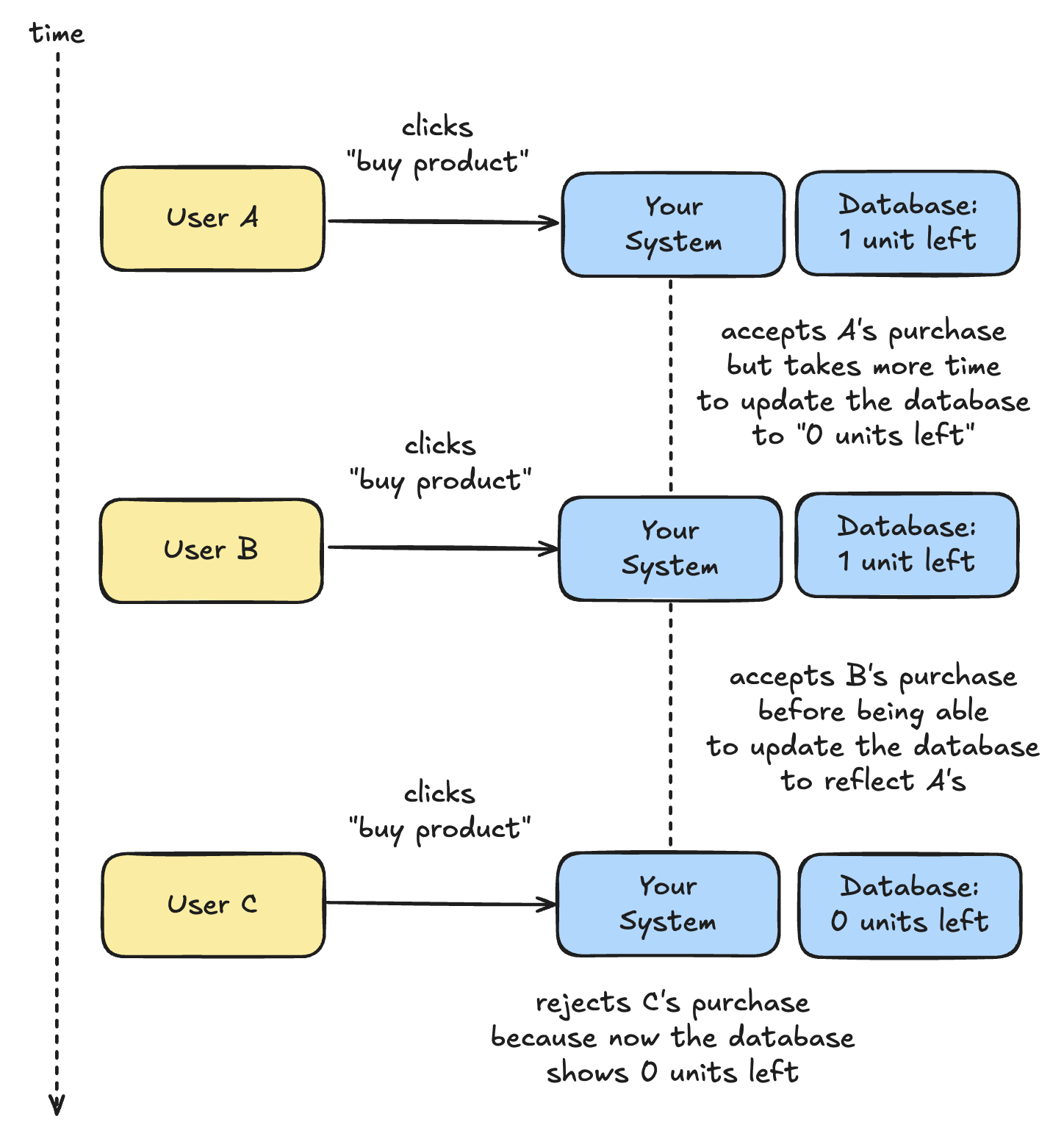
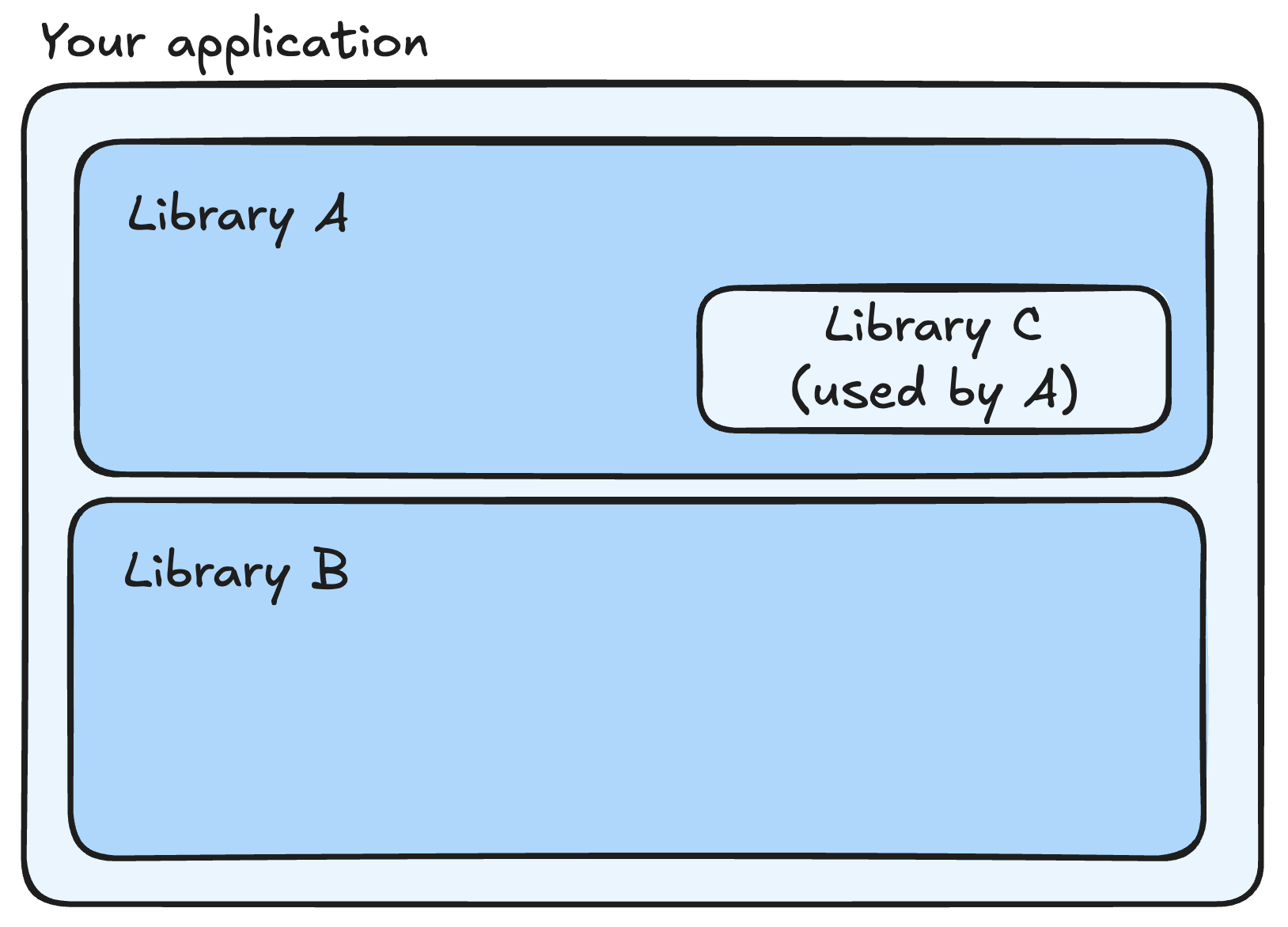
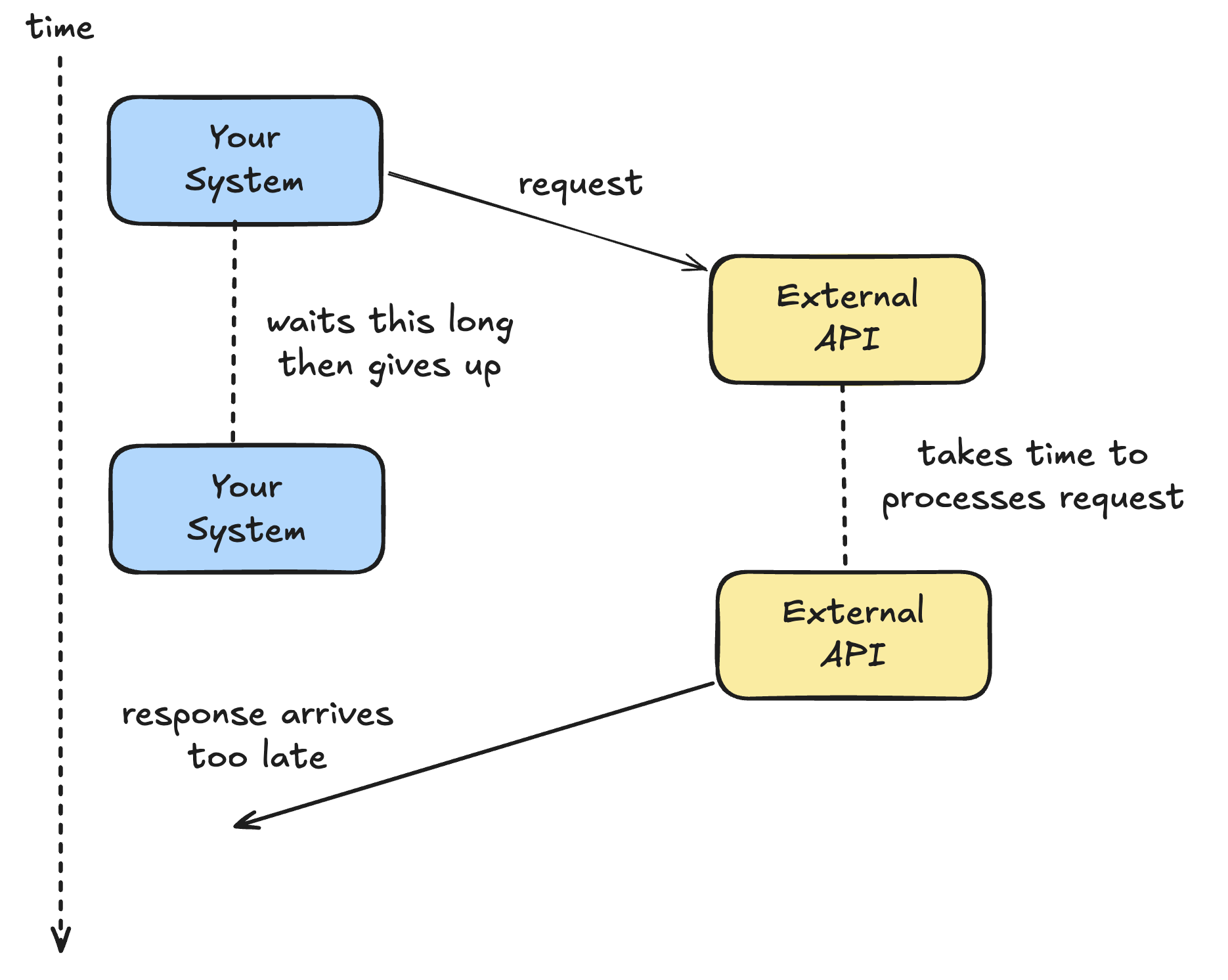
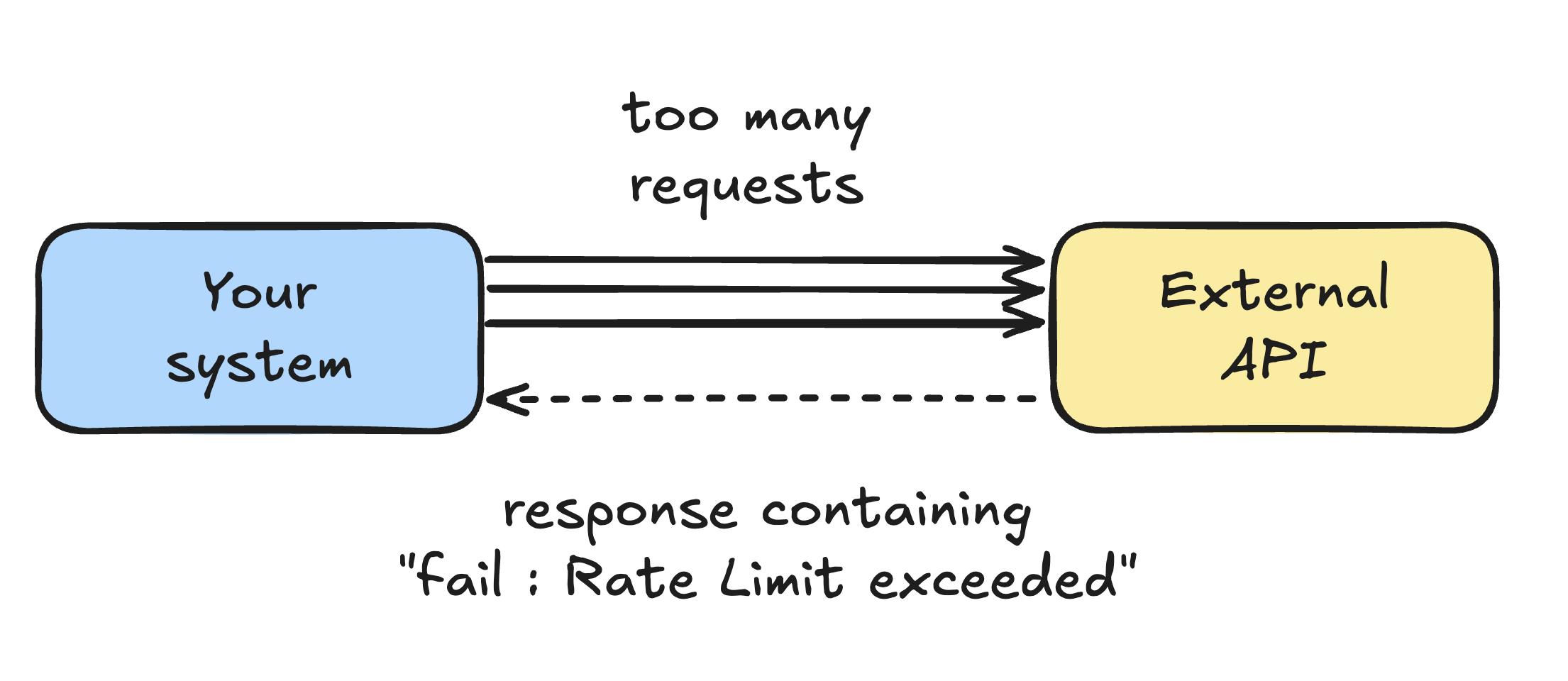
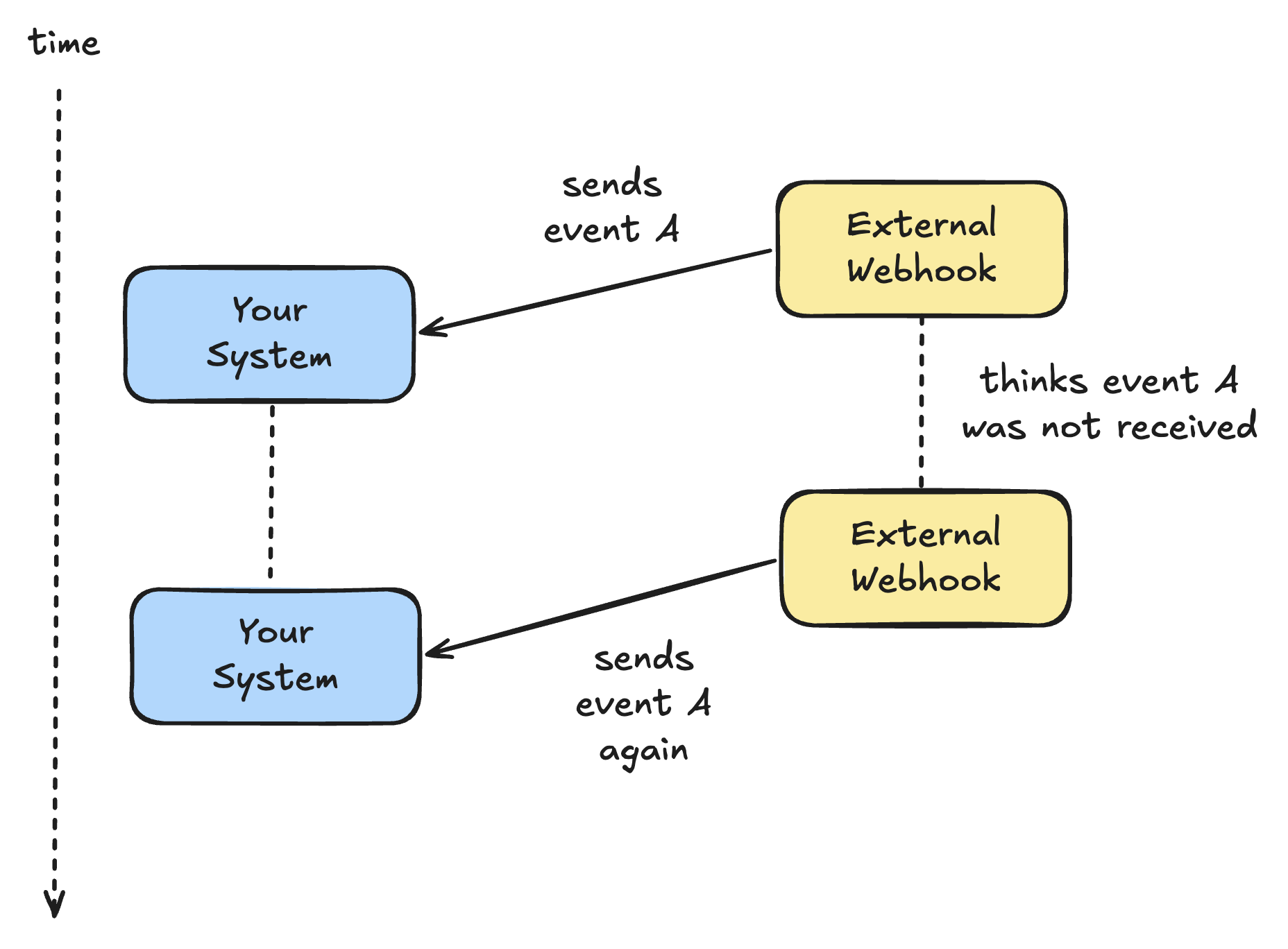
How bugs, outages, and incidents really happen in real products. Explains coupling, edge cases, shared state, and why small changes often have unexpected consequences.

04

How engineers think when they build software

What professional engineers optimize for beyond making code run. Trade-offs, technical debt, long-term maintenance, and why engineers are cautious about "quick fixes."

05

How teams reduce risk: reviews, tests, and pipelines

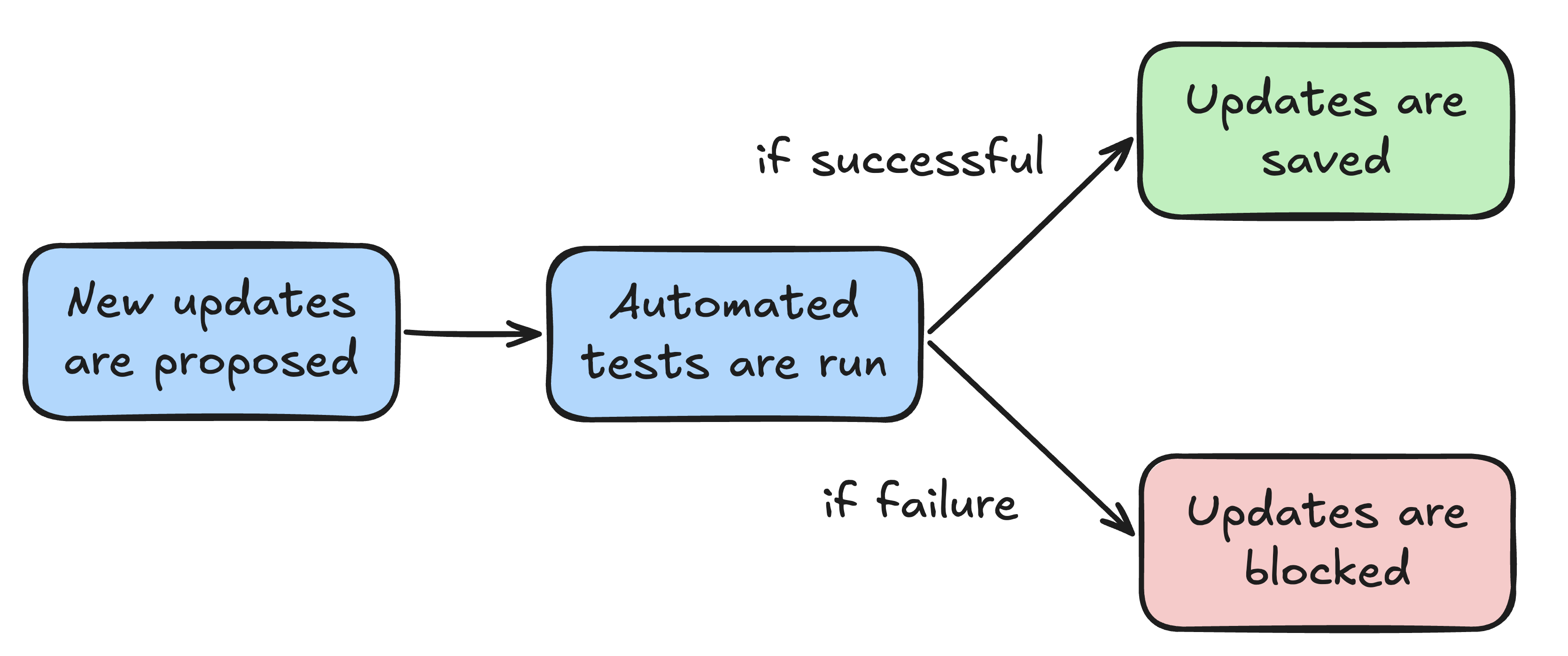
Why code reviews exist, what they catch (and what they don't), and how teams decide if code is safe to ship. Introduces testing strategies, CI/CD, and common development processes.

06

Understanding and observing systems in production

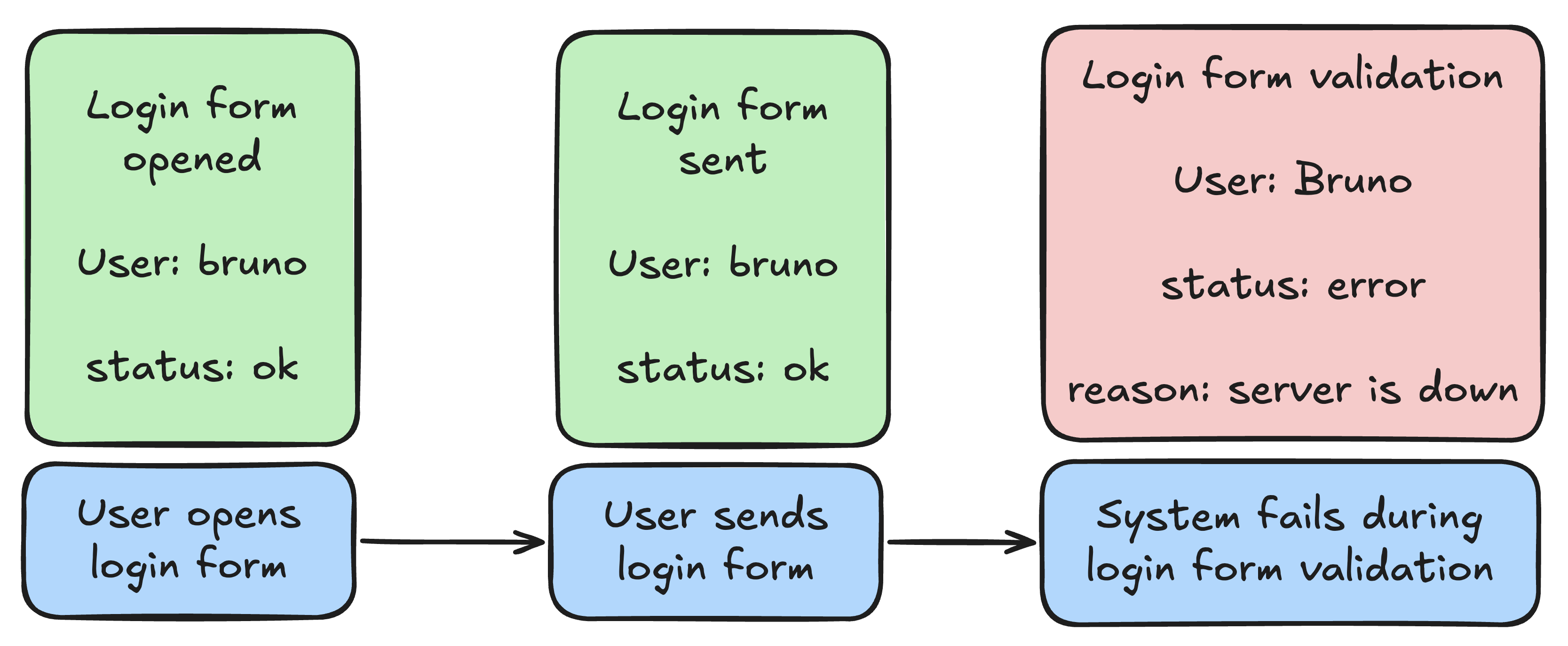
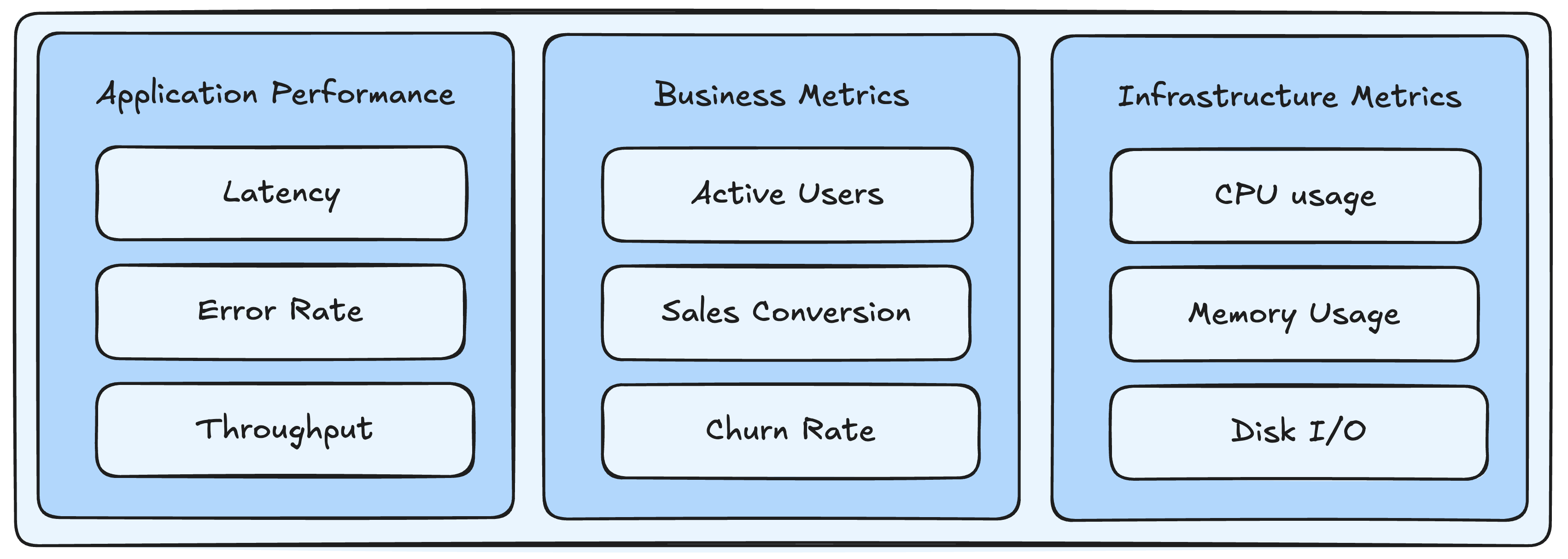
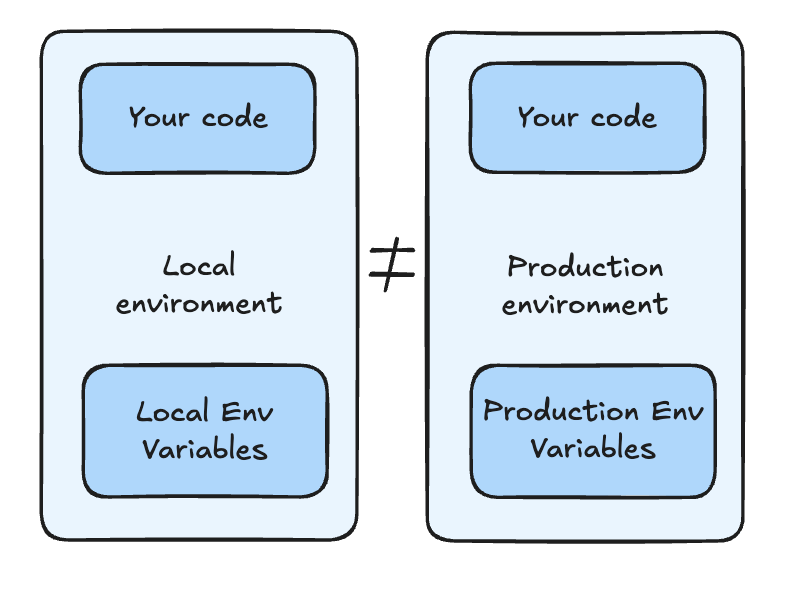
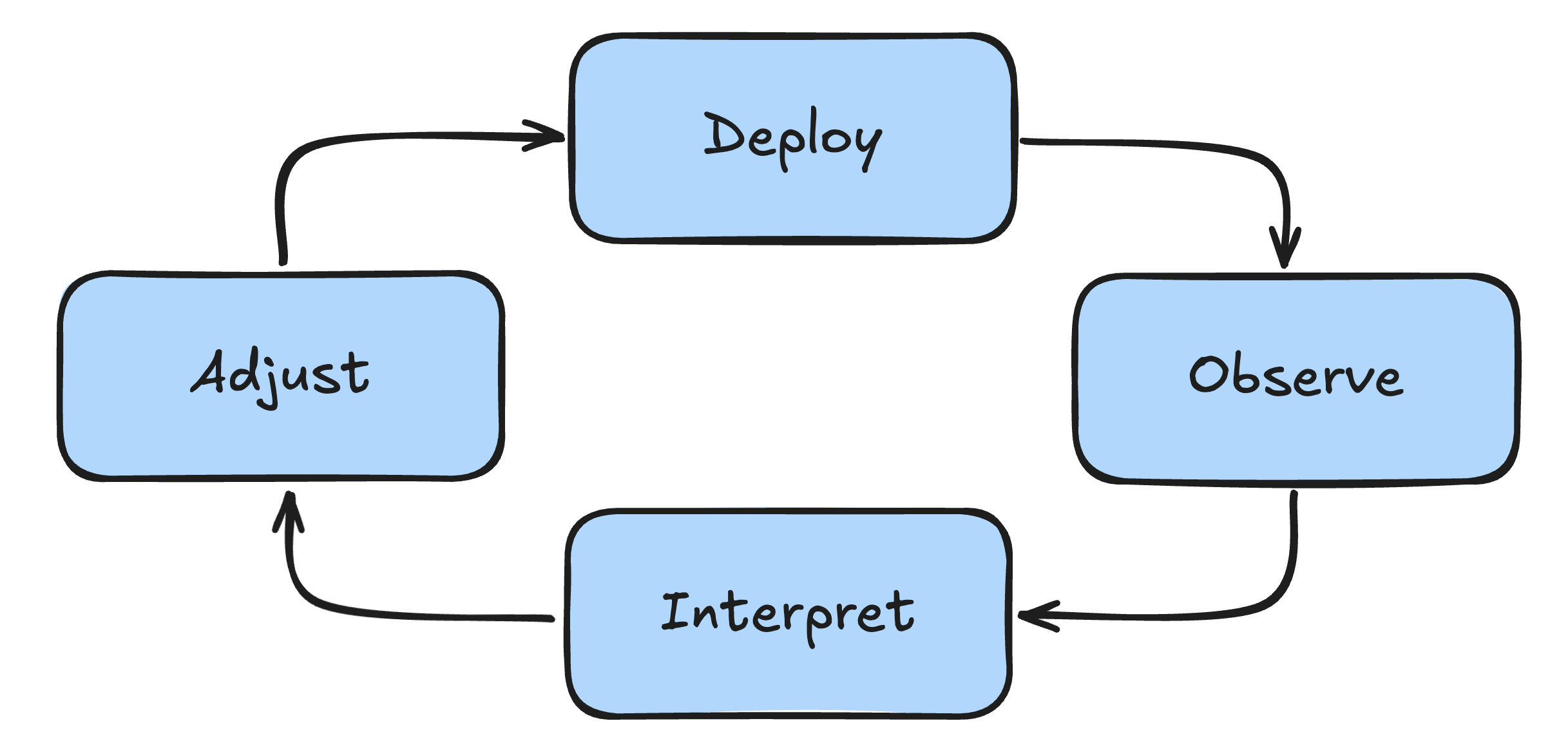
How engineers understand what's happening after software is deployed. Logs, metrics, observability, debugging, secrets and API keys, and why production is different from local code.

How it's written

Designed to be read end-to-end or consulted when something feels off.

Short chapters.

Plain language.

Focused on decisions, trade-offs, and consequences.

This book is not theory.
Everything here comes from shipping real systems — and watching where they break.

About the author

Bruno Freitas

Bruno Freitas

Software engineer who works daily with AI-assisted code and has seen how AI enables non-technical builders to move fast — and how easily they lose visibility into the systems they ship.

Be the first to read an early chapter

You’ll get access to a free preview chapter when the book launches.

No spam. One email when it launches.